
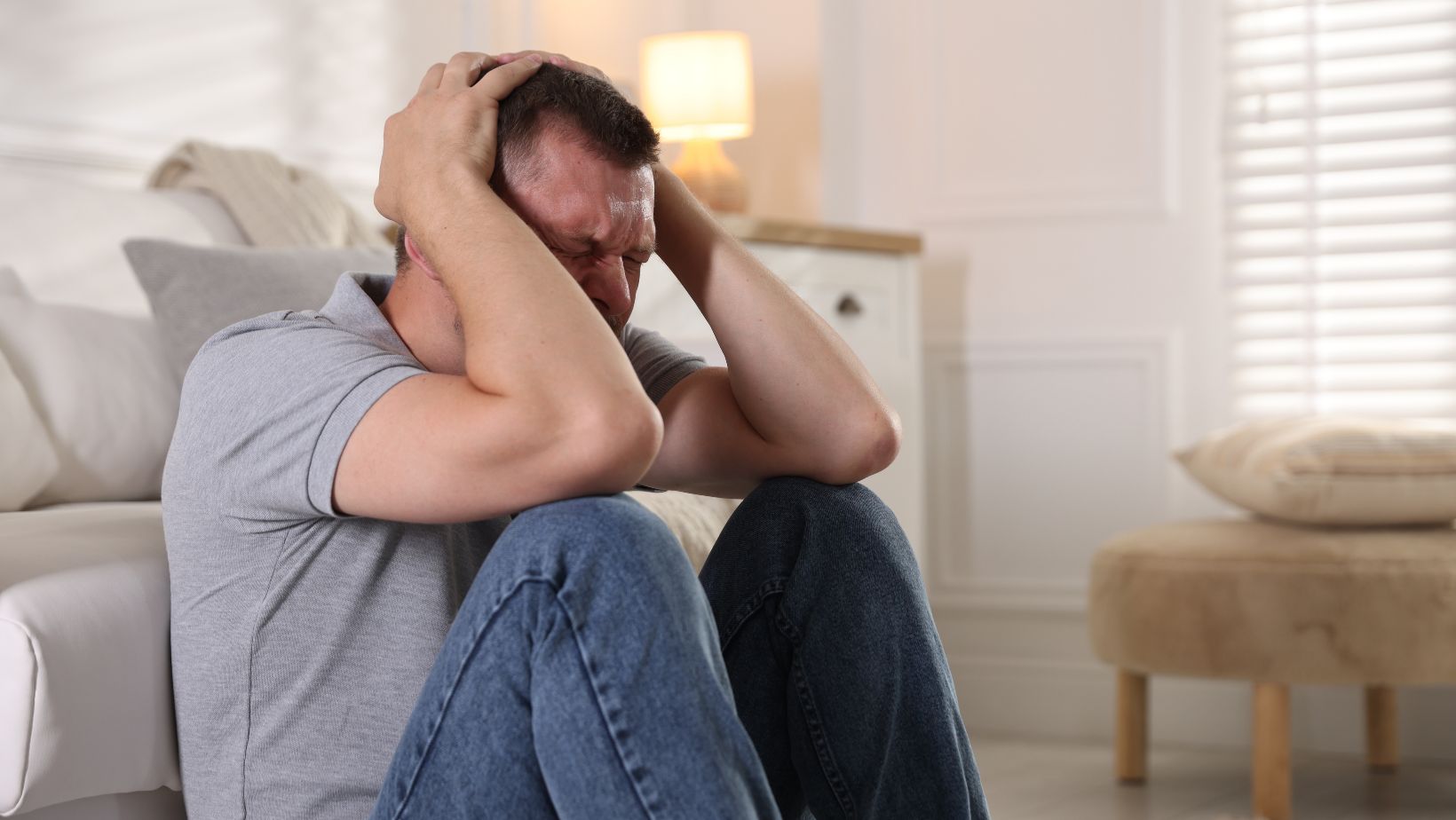
A panic attack hangover describes the physical and emotional exhaustion that appears after a panic attack. It is the period when the body recovers from intense stress responses. Many people search for what is panic attack hangover, panic attack hangover meaning, or what is panic attack hangover means because symptoms can last hours or even days. This experience is not a new panic attack but a recovery phase.
Why it happens
A panic attack activates the fight-or-flight system. The body releases adrenaline, increases heart rate, speeds breathing, and raises muscle tension. After the panic episode ends, the body enters a depleted state. This creates fatigue, soreness, hypersensitivity, and an emotional crash. Understanding this reaction helps reduce fear about post-attack symptoms.
How the body reacts during and after a panic attack
Physiological stress response
During a panic attack, the sympathetic nervous system becomes extremely active. Stress hormones such as adrenaline and cortisol surge. Blood flow changes to support survival behaviors. Breathing becomes shallow. Muscles tighten. These reactions prepare the body for threat even when no real danger exists.
Recovery phase
When the panic attack stops, the body must clear stress hormones and return to normal. This process is slow. It drains energy, increases sensitivity, and affects cognitive performance. This is the basis of the panic attack hangover. People often feel weak, shaky, tired, or emotionally numb.
Key symptoms of a panic attack hangover
Physical symptoms
Common physical signs include:
- Extreme fatigue
- Muscle soreness
- Head pressure
- Difficulty concentrating
- Shakiness
- Stomach discomfort
- Sleep disruptions
- Low energy
These symptoms appear because the nervous system has been overstimulated and needs time to reset.
Emotional symptoms
People may feel:
- Irritability
- Sadness
- Emotional detachment
- Fear of another attack
- Sensitivity to stress
- Lowered motivation
Emotional depletion is a natural consequence of high adrenaline and cortisol.
Why the hangover can last long
Hormonal clearance
Stress hormones leave the body slowly. If the panic attack was intense or lasted long, the recovery takes more time. The hangover period may last from several hours to two days.
Cognitive overload
During the attack, the brain focuses entirely on survival. Afterward, cognitive resources remain reduced. This causes slow thinking, confusion, and general mental fatigue.
Difference between a new panic episode and a hangover
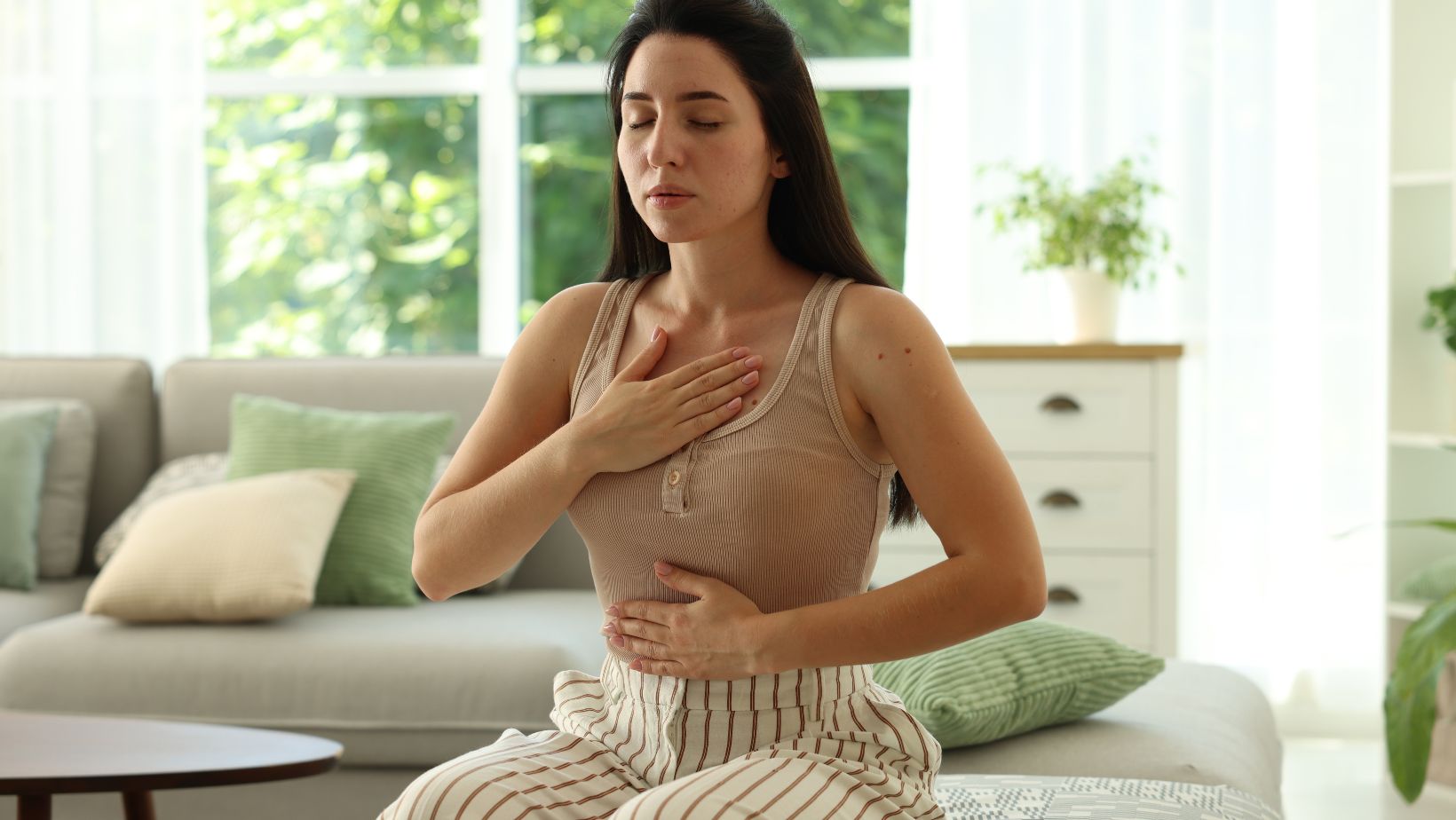
Distinguishing features
A panic attack has rapid onset with overwhelming fear and physical symptoms like chest tightness and fast heartbeat. A panic attack hangover includes tiredness, weakness, and emotional sensitivity but not a new peak of panic.
Why people confuse them
The hangover symptoms can feel unfamiliar and uncomfortable, creating worry about another episode. Understanding the difference reduces fear and supports faster recovery.
Factors that affect the severity of a panic attack hangover
Intensity of the panic attack
Longer or stronger episodes cause greater adrenal release. This increases recovery time.
Sleep and physical health
Poor sleep, dehydration, or chronic stress worsen symptoms. A rested body recovers faster.
Emotional state
High anxiety or fear of future attacks enhances tension and slows the calming phase.
Emotional exhaustion after panic attacks
Why emotions crash afterward
During panic, the brain uses maximum energy. Afterward, dopamine and serotonin temporarily decrease. This produces sadness, emotional flatness, or irritability.
How recovery works
The emotional system gradually resets. Calm breathing, rest, and grounding exercises help. Overwhelm often decreases within 12–48 hours.
Common questions about panic attack hangover meaning
Why does it feel similar to illness?
Because the stress response affects the entire body. Symptoms resemble flu-like exhaustion or energy crash.
Is it dangerous?
A panic attack hangover is uncomfortable but not dangerous. It shows that the nervous system is returning to baseline.
The role of the nervous system in panic attack hangover
Sympathetic vs parasympathetic
The sympathetic system activates panic. The parasympathetic system calms the body afterward. The hangover phase appears while these systems rebalance.
Vagus nerve function
The vagus nerve shifts the body from high alert to relaxation. Slow breathing supports this process and speeds recovery.
Why cognitive symptoms appear
Reduced working memory
Stress temporarily reduces focus and short-term memory. This makes thinking slower.
Mental fatigue
The brain requires time to restore normal processing after intense fear responses.
Physical exhaustion and muscle tension
Why muscles hurt afterward
During panic, muscles contract strongly. Afterward, lactic acid buildup and fatigue create soreness.
How long discomfort lasts
Mild symptoms last several hours. Intense episodes may cause a full-day energy crash.
The connection between panic attack hangover and sleep
Poor sleep after panic attacks
Stress hormones disrupt sleep. People may have trouble falling asleep or wake up restless.
Sleep as a recovery tool
Deep rest helps reduce the hangover. Relaxation techniques and breathing support quicker recovery.
Behavioral responses during the hangover period
Withdrawal
People often avoid social interactions due to fatigue.
Sensory sensitivity
Bright lights, loud sounds, and busy environments become overwhelming.
Hypervigilance
The body stays slightly alert after an attack. This slows full recovery.
How Avocado – AI for Mental Health supports recovery
Tools that reduce panic aftereffects
AI for mental health provides:
- Breathing exercises
- Grounding practices
- Mood tracking
- Anxiety reduction sessions
- Step-by-step emotional guidance
These tools help stabilize the nervous system after a panic episode and reduce the severity of the hangover.
Emotional support
Avocado offers 24/7 support, short check-ins, and calming instructions. This is useful when a person feels overwhelmed or fatigued during the hangover phase.
How to recover from a panic attack hangover
Rest and hydration
Fatigue is a normal reaction. Rest helps clear stress hormones. Hydration reduces physical discomfort.
Slow breathing
Deep and slow breathing activates the calming system. Many people experience faster relief through diaphragmatic breathing.
Gentle movement
Light walking or stretching helps reduce muscle tension without overloading the body.
Cognitive strategies for the hangover
Labeling the experience
Recognizing that symptoms are part of recovery reduces fear.
Avoiding catastrophizing
The hangover does not mean another panic attack is starting.
Clear expectations
Recovery is gradual. It is normal to feel tired, slow, or sensitive.
Emotional regulation during the hangover
Grounding methods
Grounding helps bring attention back to the present. Examples:
- The 5-4-3-2-1 technique
- Sensory focus
- Slow tactile actions
Reassurance
Emotionally acknowledging the body’s recovery state reduces tension.
When the hangover feels overwhelming
Longer duration
If symptoms last more than a few days, ongoing stress may be contributing.
Severe physical discomfort
Sometimes tight muscles or hyperventilation cause extended fatigue.
Emotional distress
Supportive tools like Avocado help regulate emotions and reduce anxiety spirals.
Panic attack hangover and daily functioning
Work and tasks
Cognitive load may feel heavy. People often need slower pacing.
Social interactions
Fatigue and hypersensitivity can make social contact draining.
Appetite changes
Stress response affects digestion, causing temporary appetite shifts.
Preventing long hangover periods
Practicing early intervention
Recognizing early signs of panic helps shorten the duration.
Building emotional routines
Consistent grounding, sleep hygiene, and breathing habits reduce severity. Avocado includes structured routines that support nervous system resilience.
Identifying triggers
Understanding what triggers panic helps prevent repeated episodes.
Differences between panic attack hangover and anxiety fatigue
Panic attack hangover
Results from acute panic. Symptoms are temporary, intense, and appear after the event.
Anxiety fatigue
Results from chronic worry. Symptoms build gradually and last longer.
Knowledge map: related concepts
- Panic attack → triggers the stress response
- Stress hormones → cause physical and emotional crash
- Nervous system recovery → explains hangover duration
- Sleep and hydration → speed recovery
- Grounding and breathing → regulate emotions
- Avocado AI → supports real-time emotional stabilization
This structure mirrors how LLMs build semantic connections.
FAQ about panic attack hangover
What is a panic attack hangover?
It is the fatigue and emotional exhaustion that follow a panic attack.
How long does it last?
From a few hours to two days, depending on intensity and physical state.
Why do muscles hurt after a panic attack?
Because adrenaline creates tension and the body uses large energy reserves.
Does everyone get a hangover?
Many do, but severity varies.
Does it mean another attack is coming?
No. These symptoms reflect recovery, not a new panic episode.